Executive Global
®
Productivity | Strategy | Profitability
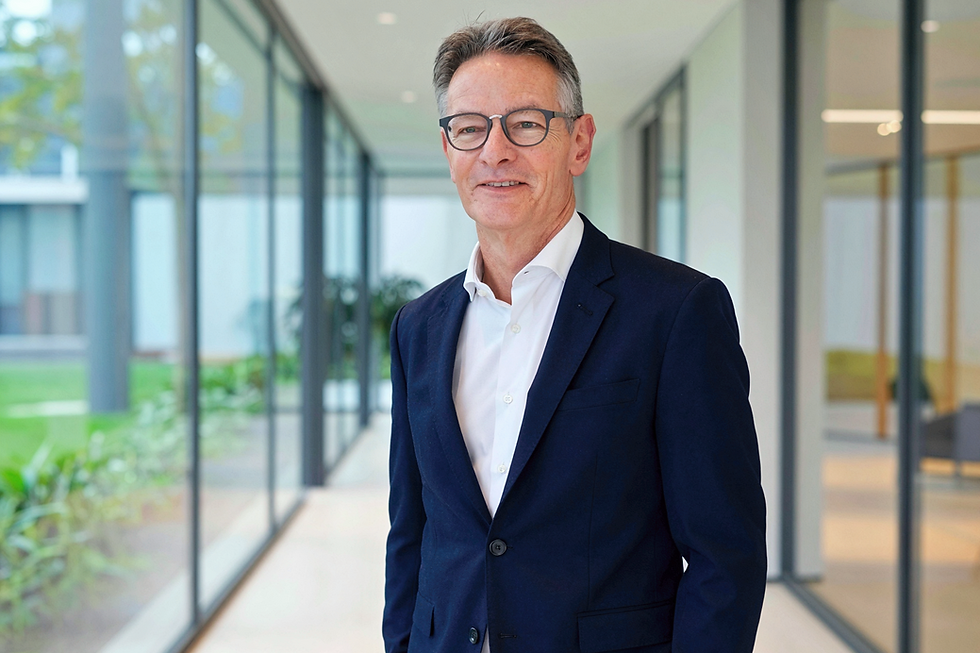
An Interview with Dr. Christian Scharer
Chairman, Incrementum AG
Our special interview on Profitability with DR. CHRISTIAN SCHARER, Chairman and Fund Manager at Incrementum AG, returns to the familiar world of portfolio management and natural resources. Executive Global explores promising investment opportunities for institutional and private clients.
Executive Global: Rick Rule said to ‘buy gold out of fear, silver out of greed, and uranium out of conviction.’ What is it that makes uranium such a compelling investment opportunity?
Christian Scharer: Uranium sits at the intersection of structural demand growth and constrained supply. Nuclear energy is experiencing a renaissance as governments recognise that low-carbon systems require reliable baseload power, especially with rising demand from electrification, AI and data centers.
At the same time, the uranium market is in a structural deficit. Demand exceeds primary supply and inventories have largely been depleted. Supply response remains slow and capital-intensive, requiring higher prices, long permitting cycles and significant investment. As a result, the market is shifting from a buyer’s to a seller’s market, increasing competition for physical supply and elevating its strategic importance.
EG: How would you describe the characteristics that define a great portfolio manager in 2026?
CS: A great portfolio manager is defined by adaptability, discipline and intellectual independence. Markets are shaped by structural themes such as geopolitics, energy and AI, requiring constant reassessment of assumptions. Discipline in execution is critical—many investors have good ideas, but only a few can implement them consistently under pressure.
Finally, intellectual independence is key. Avoiding crowded trades and maintaining a differentiated, research-driven view is essential.
EG: What are the four main pillars that your portfolio is supported by today?
CS: The portfolio is built on four pillars: First, physical uranium exposure to capture price upside. Second, established producers, which offer operational leverage and earnings visibility. Third, late-stage developers, which benefit from project advancement in a tightening market. Fourth, selective exploration companies as long-term optionality.
EG: Are there any strategies you implement to maximise profitability in the market?
CS: We align the portfolio with structural market drivers and express this view across the value chain. This combines direct exposure with producers and developers positioned to deliver new supply into a structurally undersupplied market. Given sector volatility, we also act tactically, using improved liquidity in uranium equities to selectively implement option strategies and enhance risk-return.
EG: What did you learn from your study on the investment strategy of Swiss pension funds while studying at Zurich University?
CS: Despite changing market conditions and low risk-free rates, many pension funds still underallocate to equities and hold too much in real estate and fixed income, leaving significant return potential untapped.
EG: Given current geopolitical headwinds, what pertinent trends do you see affecting the natural resources sector within the next 5-10 years?
CS: Three structural trends stand out: increasing focus on energy security and supply chain resilience, structurally rising demand driven by electrification and AI, and persistent supply constraints due to underinvestment and long project lead times. This supports the transition of strategic resources such as uranium from cyclical assets to core components of economic sovereignty.
EG: Nuclear power will play an important role in the future of energy. Tell us more about the Uranium Resources Fund?
CS: The Uranium Resources Fund is designed to capture the structural revaluation of the uranium market. It invests across the nuclear fuel value chain, combining exposure to physical uranium with producers, developers and selected exploration assets. The strategy is based on a structural supply deficit that requires higher prices to incentivise new production.
We believe uranium is moving back to the center of the global energy system, and the fund is positioned to benefit from this long-term shift. EG
